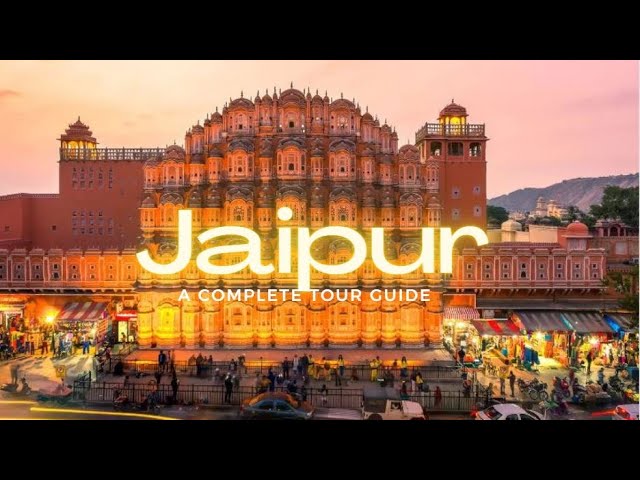
🏰 BLOG 1: My Journey to Jaipur – The Pink City That Feels Like Royalty
📍 Location & Overview
When I first arrived in Jaipur, I immediately understood why it’s called The Pink City. The rosy hue of its buildings gives the entire city a warm, royal charm. Located in the Indian state of Rajasthan, Jaipur is part of the Golden Triangle with Delhi and Agra. It’s a perfect blend of history, art, architecture, and vibrant street life — where every corner tells a story.
🕍 History & Background
Jaipur was founded in 1727 by Maharaja Sawai Jai Singh II, the ruler of Amber. He planned the city with mathematical precision, making it one of India’s first planned cities. The pink color was introduced in 1876 to welcome Prince Albert, and it became the city’s trademark ever since. Walking through the city feels like stepping into the pages of an ancient royal saga.
🎭 Culture & Traditions
Jaipur’s culture is a colorful explosion of traditions, folk art, and hospitality. I saw women wearing bright lehengas, men with pagris (turbans), and local artisans creating intricate jewelry and handicrafts. The sound of ghoomar dance, the smell of henna, and the sparkle of gemstones fill the streets. Rajasthani people are proud of their heritage — and they love to share it with a smile.
🕌 Must-Visit Places
My first stop was the Hawa Mahal, with its iconic 953 windows built for royal women to view street parades unseen. Then I explored the City Palace, a grand complex that still houses the royal family. The Amber Fort, perched on a hill, gave me breathtaking views of Maota Lake. The Jantar Mantar observatory fascinated me with its ancient astronomical instruments — centuries ahead of their time. Every site added a new chapter to Jaipur’s royal story.
🍛 Famous Foods
The best part of my Jaipur trip was the food! I couldn’t get enough of Dal Baati Churma, a traditional Rajasthani dish served with ghee and jaggery. I also tried Laal Maas — a spicy mutton curry that set my taste buds on fire (in the best way possible). For dessert, I indulged in Ghewar and Mawa Kachori. Every bite was rich, flavorful, and full of heritage.
💫 Local Experiences
I wandered through Johari Bazaar and Bapu Bazaar, losing myself among the sparkling gemstones, tie-dye fabrics, and leather shoes. I even learned how blue pottery is made — the process was mesmerizing! In the evening, I attended a folk dance show at Chokhi Dhani, a Rajasthani cultural village. Between camel rides, traditional music, and open-air dining, I felt like royalty myself.
💡 Why It’s Special & Travel Tips
Jaipur is special because it perfectly balances royalty and simplicity. It’s a place where every sunset glows golden over ancient forts, and every street hums with history.
Travel Tips:
-
Visit in winter (October–March) for pleasant weather.
-
Carry light cotton clothes but a shawl for evenings.
-
Don’t miss Amber Fort’s light and sound show.
-
Bargain in bazaars — locals expect it!
-
Try a traditional Rajasthani thali before you leave.
Jaipur didn’t just show me beauty — it showed me how gracefully the past and present can live together. As I watched the city lights twinkle from Nahargarh Fort, I promised myself: I’ll return to this royal city someday.
🌅 BLOG 2: My Spiritual Journey to Varanasi – The Eternal City of Light
📍 Location & Overview
📸

As my train reached Varanasi, the oldest living city in the world, I could instantly feel something divine in the air. Known also as Kashi or Benaras, it lies on the banks of the holy River Ganges in Uttar Pradesh. This city is not just a destination — it’s a spiritual experience. The echo of temple bells, the chants from priests, and the sight of flickering lamps on the ghats create an atmosphere that touches your soul.
🕍 History & Background
Varanasi is believed to be over 3,000 years old, making it one of the world’s oldest continually inhabited cities. According to Hindu mythology, Lord Shiva founded the city himself. For centuries, saints, scholars, and pilgrims have traveled here seeking enlightenment. The great writer Mark Twain once said, “Varanasi is older than history, older than tradition, older even than legend.”
🎭 Culture & Traditions
📸
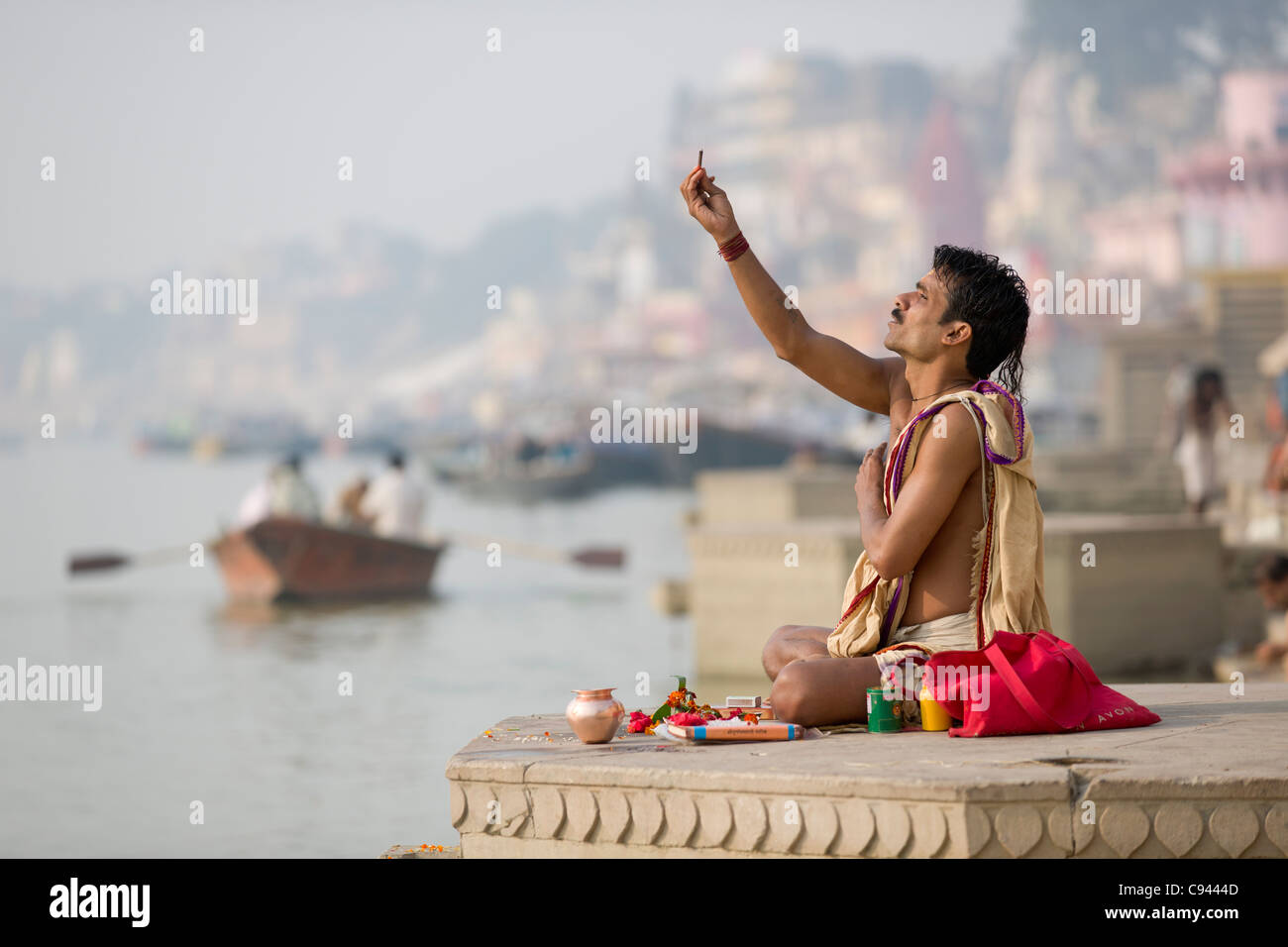
The culture of Varanasi is deeply spiritual and artistic. Every morning, the ghats are filled with priests performing aarti and devotees taking dips in the sacred river. Music and poetry flow through its veins — it’s the birthplace of classical legends like Pandit Ravi Shankar. The Banarasi silk saree is world-famous for its beauty and craftsmanship, representing centuries of weaving tradition.
🕌 Must-Visit Places
📸

My day began at Dashashwamedh Ghat, the most vibrant of all ghats, where life starts before sunrise. I then visited the Kashi Vishwanath Temple, dedicated to Lord Shiva — the city’s spiritual heart.
A short trip from the city took me to Sarnath, where Lord Buddha delivered his first sermon. The Ramnagar Fort, with its museum of royal artifacts, gave me a glimpse into Varanasi’s regal past.
🍛 Famous Foods
📸
Varanasi’s food is a treat for every traveler. I started my morning with crispy Kachori-Sabzi and a tall glass of Lassi served in a clay pot. Later, I tried Malaiyo — a winter delicacy made from saffron-infused milk foam — light as air! But no trip is complete without the legendary Banarasi Paan wrapped in a silver leaf — a perfect end to every meal.
💫 Local Experiences
📸

The highlight of my visit was the Ganga Aarti at Dashashwamedh Ghat. As hundreds of lamps floated on the river, the chants, the drums, and the energy created an unforgettable moment. I also took an early morning boat ride — watching the golden sunrise reflect on the Ganges while life unfolded on the ghats. Walking through the narrow alleys, I found hidden temples, old bookshops, and silk weavers at work.
💡 Why It’s Special & Travel Tips
📸

Varanasi is not just a city — it’s a feeling of eternity. It teaches you how life and death coexist beautifully. People come here to find peace, purpose, and sometimes, themselves.
Travel Tips:
-
Best time to visit: October to March (pleasant weather).
-
Take the boat ride at sunrise — it’s magical.
-
Attend the evening Ganga Aarti at Dashashwamedh Ghat.
-
Respect local customs — photography is restricted inside temples.
-
Try street food from clean, crowded stalls for authentic taste.
When I left Varanasi, I felt lighter — as if the Ganges had washed away my stress and filled me with serenity. This city doesn’t just show you spirituality; it lets you feel it.
🏖️ BLOG 3: My Escape to Goa – Where Every Sunset Feels Like Freedom
📍 Location & Overview
📸
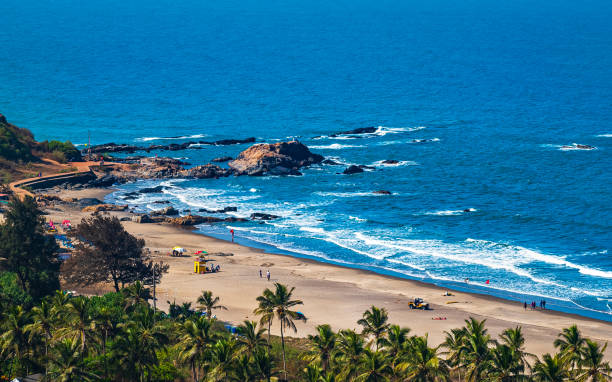
When I landed in Goa, the warm sea breeze and the sound of waves instantly washed away all my stress. Located on India’s western coast along the Arabian Sea, Goa is a tiny state with a big personality — a perfect mix of Indian charm and Portuguese heritage. From sun-soaked beaches to ancient churches and vibrant nightlife, Goa is where every traveler finds their rhythm.
🕍 History & Background
📸

Goa’s history is as fascinating as its beauty. Once ruled by the Portuguese for over 450 years (1510–1961), it still carries the essence of European culture blended with Indian traditions. The colonial churches, Latin-style houses, and narrow winding streets all whisper stories of the past. After liberation, Goa became India’s favorite holiday destination — but beyond its beaches, it’s a place of deep culture and peace.
🎭 Culture & Traditions
📸
Goans live life with joy — “Susegad,” as they call it, means a relaxed, contented attitude. I experienced that everywhere: in the friendly smiles of locals, the colorful festivals like Carnival and Shigmo, and the soulful Konkani songs played in cafes. Christianity is the dominant religion here, and festivals like Christmas and Easter are celebrated with full spirit, alongside Hindu festivals like Diwali and Ganesh Chaturthi.
🕌 Must-Visit Places
📸

I began my journey at Calangute Beach, watching parasailers soar above the sea. Then I headed to Fort Aguada, where the old lighthouse overlooks the endless Arabian Sea. Old Goa took my breath away with its churches — especially the Basilica of Bom Jesus, which houses the remains of St. Francis Xavier.
For a taste of nature, I trekked to the Dudhsagar Waterfalls, where milky white water cascades down through lush forests. And in the evening, Anjuna Beach came alive with music, laughter, and endless energy.
🍛 Famous Foods
📸

Goan food is heaven for spice lovers. My first meal was Goan Fish Curry — tangy, spicy, and full of coconut flavor. I tried Prawn Balchão, a fiery pickled prawn dish, and Chicken Xacuti, rich with roasted spices. To cool down, I sipped Feni, Goa’s local cashew drink. For dessert, Bebinca — a multi-layered coconut cake — was pure bliss. Each dish felt like a story told in flavor.
💫 Local Experiences
📸

Goa isn’t just about places — it’s about moments. I joined travelers at a beach shack where we watched the sun melt into the ocean while a local band played guitar. I danced barefoot on the sand and realized — this was freedom in its purest form.
The next day, I went dolphin watching near Candolim and shopped at Anjuna Flea Market, where colorful scarves, jewelry, and art filled every stall. By night, I cruised down the Mandovi River, watching the city lights sparkle on the water.
💡 Why It’s Special & Travel Tips
📸
Goa is special because it lets you be yourself — no schedules, no stress, just sunshine and smiles. Whether you’re an adventurer, a peace seeker, or a party lover, Goa welcomes everyone with open arms.
Travel Tips:
-
Best time to visit: November to February (cool, breezy weather).
-
Rent a scooter to explore hidden beaches like Arambol or Butterfly Beach.
-
Always carry sunscreen and water.
-
Try a sunset cruise on the Mandovi River.
-
Respect local culture — dress modestly when visiting churches or temples.
As I sat by the beach on my last night, watching the waves whisper under the stars, I realized something — in Goa, you don’t just travel; you live.
🌾 BLOG 4: My Journey to Bihar – Land of Ancient Glory & Living Traditions
📍 Location & Overview
📸
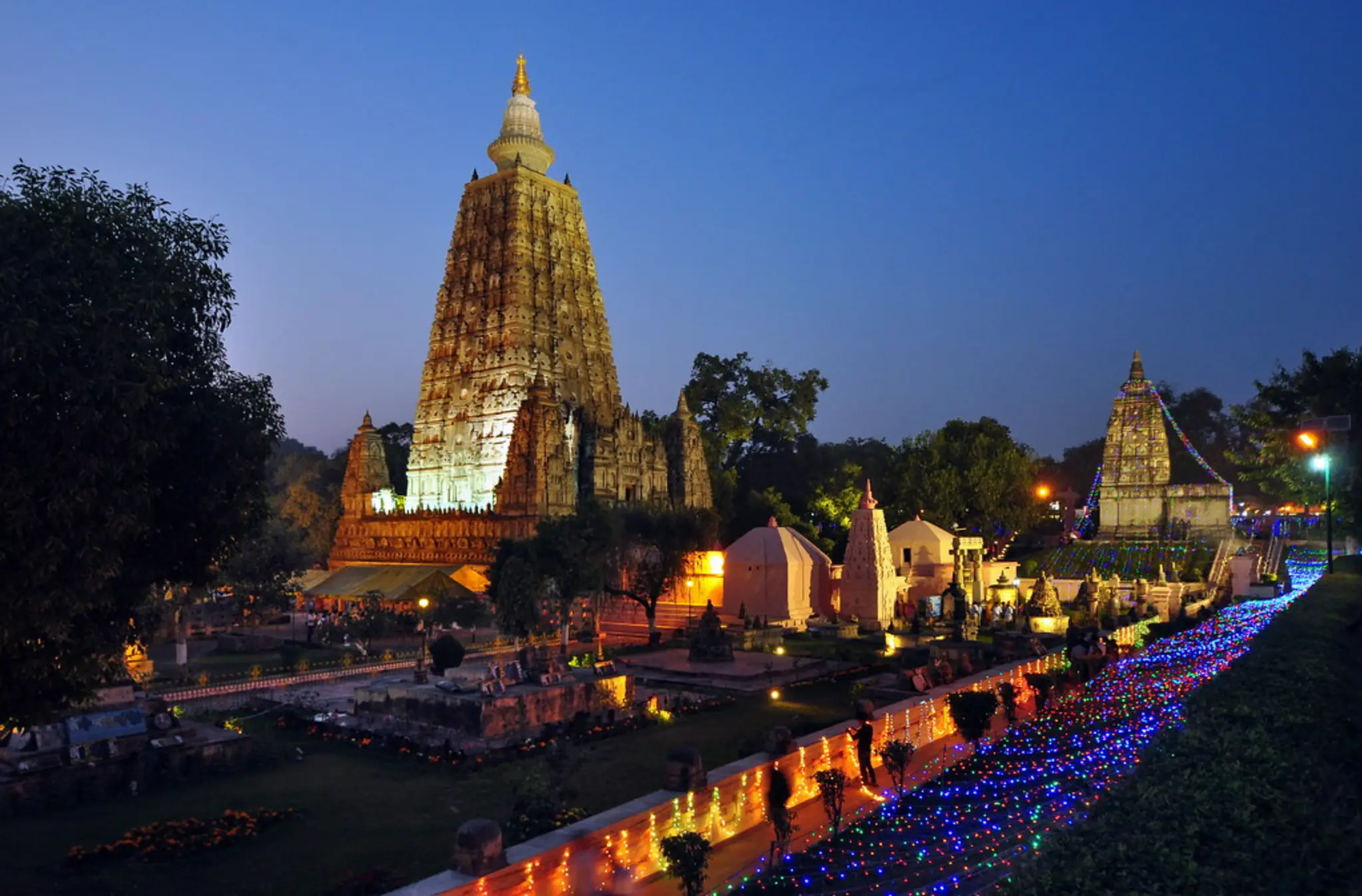
When I began my journey to Bihar, I had no idea I was walking into the pages of history itself. Located in eastern India, Bihar is one of the country’s oldest cultural regions — once the center of powerful empires and spiritual revolutions. From the holy land of Bodh Gaya where Buddha attained enlightenment, to Nalanda, one of the world’s first universities, Bihar holds treasures that shaped India’s identity.
🕍 History & Background
📸
Bihar’s story is as old as civilization. It was home to great empires like the Magadha Kingdom, the Maurya Empire under Emperor Ashoka, and the Gupta Dynasty. The teachings of Lord Buddha and Mahavira (Jainism’s founder) both originated here, making it a cradle of peace and philosophy. The ancient Nalanda University, built in the 5th century CE, attracted scholars from all over Asia long before Oxford or Cambridge even existed.
As my guide said, “Bihar isn’t just history written in books — it’s history you can walk through.”
🎭 Culture & Traditions
📸
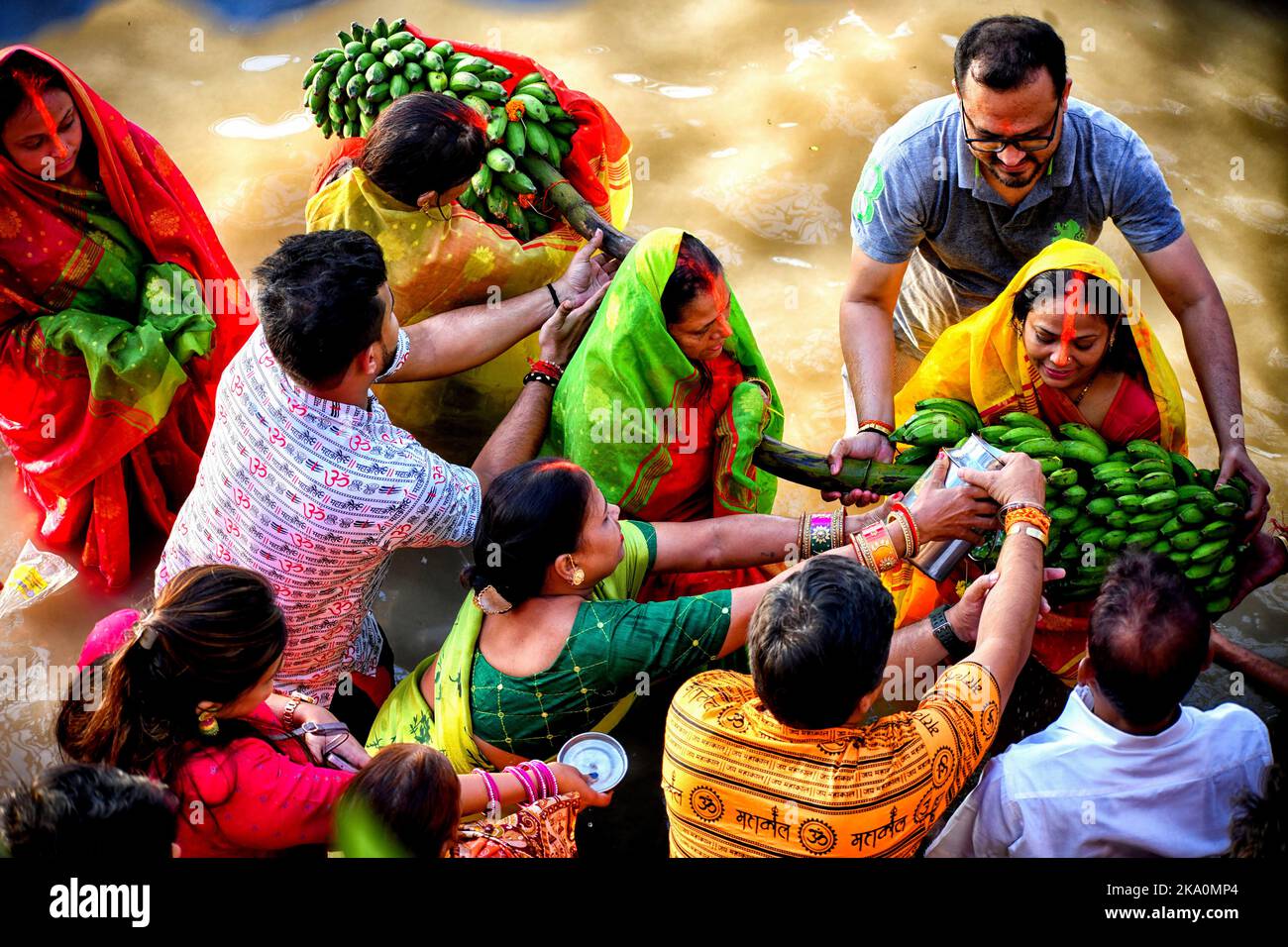
Bihar’s culture is rooted in simplicity and devotion. I arrived just before Chhath Puja, a festival where people worship the rising and setting sun with songs, prayers, and offerings on the riverbanks. The sight of women standing in knee-deep water holding diyas (lamps) as the sun rose was beyond beautiful — it was spiritual.
The state is also famous for Madhubani paintings, a traditional art form from Mithila that uses natural colors and intricate patterns. I met a local artist in Darbhanga who explained how each painting tells a story — often of love, gods, and nature.
🕌 Must-Visit Places
📸

My first stop was Bodh Gaya, where Lord Buddha attained enlightenment under the Bodhi Tree. The Mahabodhi Temple, a UNESCO World Heritage Site, was peaceful and powerful. The chants of monks and the fragrance of incense filled the air with calm.
Next, I traveled to Nalanda — walking among its red-brick ruins felt like stepping into an ancient classroom. I could almost hear the echoes of scholars debating philosophy. The Patna Museum offered an amazing collection of Mauryan artifacts and Buddha statues. I also visited Rajgir, known for its hot springs and historical importance, and Vikramshila, another ancient university that flourished in the 8th century.
🍛 Famous Foods
📸
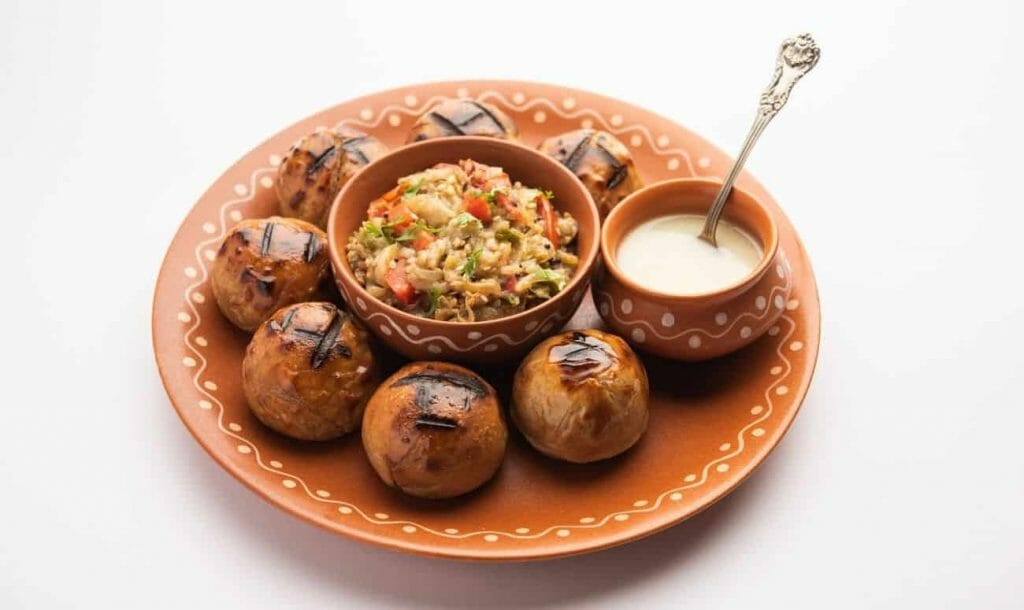
Bihar’s food is simple yet deeply satisfying. My favorite was the iconic Litti Chokha — roasted wheat balls stuffed with spiced gram flour, served with mashed potato and brinjal curry. I also tasted Thekua, a sweet snack made during Chhath Puja, and Khaja from Silao, a crispy, layered dessert that melts in your mouth. For a refreshing drink, locals offered me Sattu Sharbat — a healthy summer drink made from roasted gram flour.
💫 Local Experiences
📸
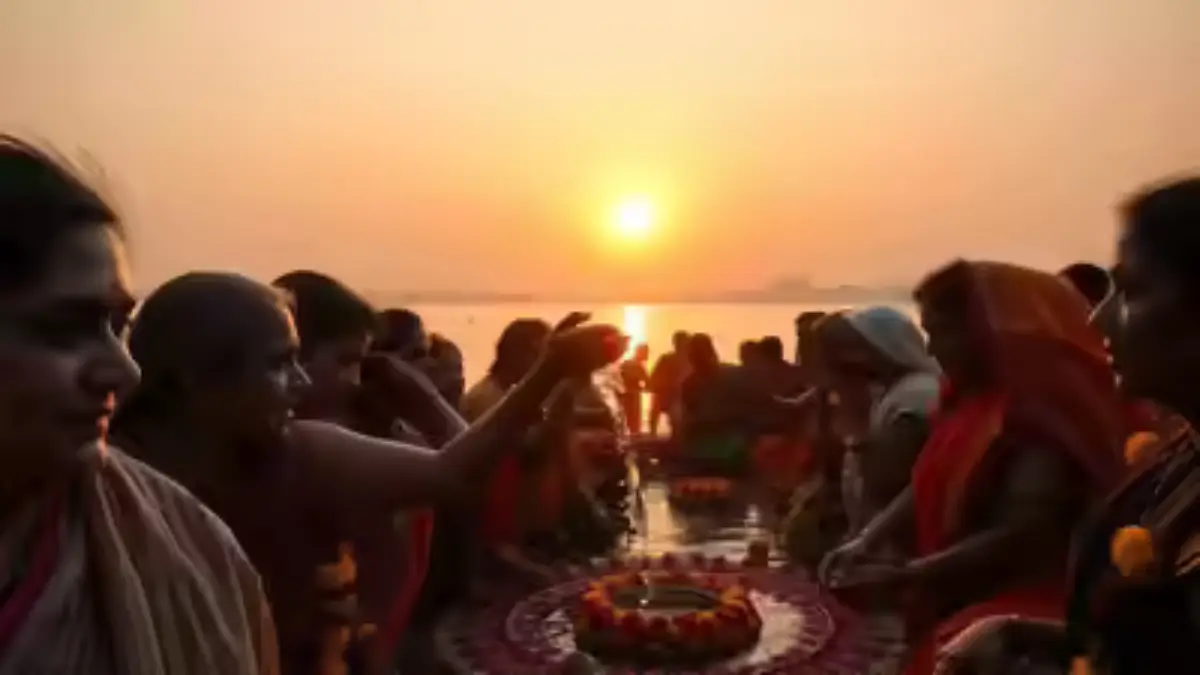
One of my most memorable experiences was participating in the evening aarti on the Ganges in Patna. The sound of conch shells and bells echoed across the water, while devotees lit lamps that floated gently down the river. I also visited a small village near Madhubani, where I watched women paint walls and canvases with bright geometric designs — art that has been passed down through generations.
In Gaya, I sat under the same Bodhi Tree where Buddha meditated. The peace I felt there was indescribable — as if time had slowed, and the world was whispering its ancient wisdom.
💡 Why It’s Special & Travel Tips
Bihar is special because it connects you to India’s deepest roots — of knowledge, faith, and resilience. It’s a land where history breathes, spirituality lives, and simplicity thrives.
Travel Tips:
-
Best time to visit: October to March (cool and pleasant weather).
-
Don’t miss Bodh Gaya, Nalanda, Rajgir, Patna Sahib, and Madhubani.
-
During Chhath Puja, watch the rituals at sunrise or sunset from river ghats.
-
Try local street food — especially Litti Chokha and Khaja.
-
Wear modest clothes when visiting religious sites.
As my train left Patna that evening, I looked back at the fading lights along the Ganges. I realized that Bihar doesn’t need to impress — it inspires. Its strength lies not in its glamour, but in its heart.
🌆 BLOG 5: My Journey to Kolkata – The City of Joy & Timeless Charm
📍 Location & Overview
📸

As my train rolled into Kolkata, I felt a strange mix of nostalgia and excitement. The city — located on the eastern bank of the Hooghly River in West Bengal — is not just a place; it’s a feeling. It whispers stories of poets, freedom fighters, artists, and dreamers. Often called “The City of Joy”, Kolkata beautifully balances its colonial charm with a modern creative heartbeat.
From yellow taxis honking down College Street to the aroma of tea and mishti (sweets) filling the air — Kolkata instantly makes you feel at home.
🕍 History & Background
📸

Kolkata’s history stretches back to the British colonial era. Founded as a trading post by the East India Company in 1690, it grew into the capital of British India until 1911. The city became a center of education, politics, and the Bengal Renaissance, nurturing great thinkers like Rabindranath Tagore, Swami Vivekananda, and Subhas Chandra Bose.
Walking through the streets, I could almost hear echoes of freedom slogans and the clatter of horse carriages. Kolkata’s architecture — from old mansions to grand colonial buildings — reflects this glorious past.
🎭 Culture & Traditions
📸
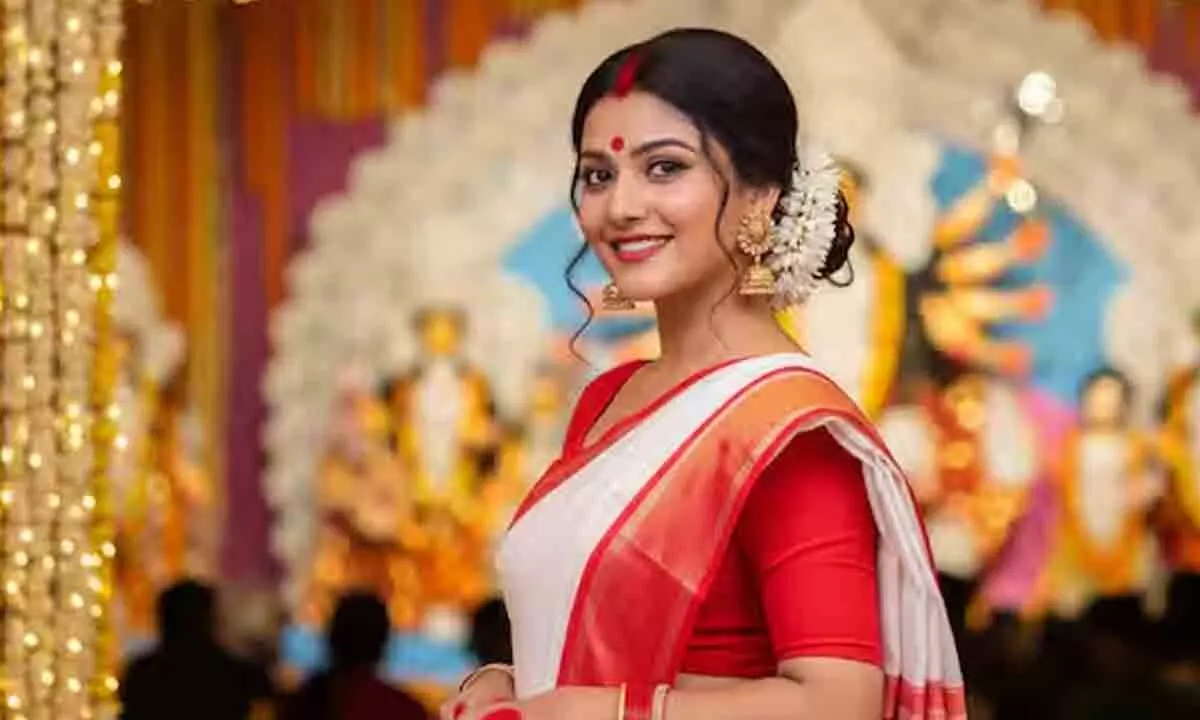
If there’s one thing Kolkata celebrates like no other, it’s culture. I arrived just in time for Durga Puja, and the entire city was glowing! The streets turned into open-air art galleries with giant pandals (temporary temples), music, lights, and joy. Women dressed in red and white sarees performed Sindoor Khela, and the air was filled with the rhythm of dhak (drums).
The people of Kolkata live for art, literature, and conversation. From Adda sessions (informal intellectual chats) at coffee houses to book fairs, the love for ideas runs deep here.
🕌 Must-Visit Places
📸
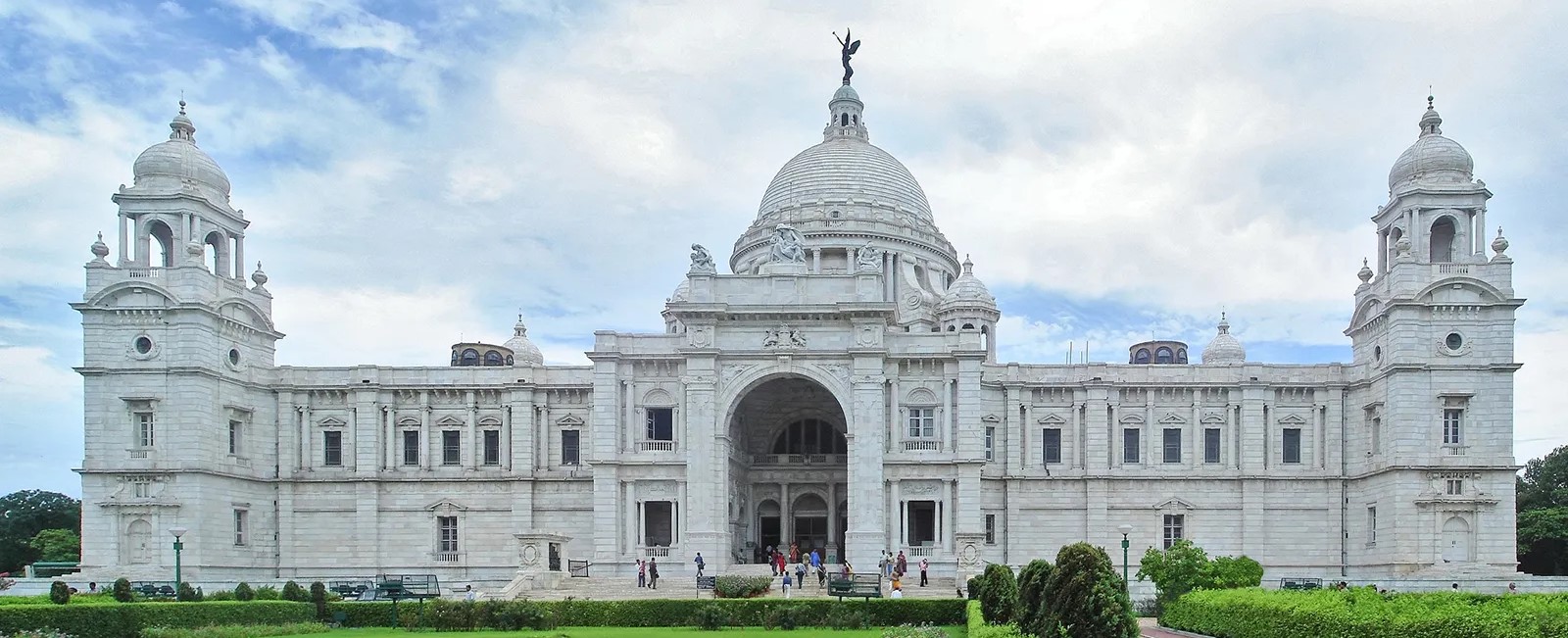
My first stop was the Victoria Memorial, a stunning white marble monument built in honor of Queen Victoria. Inside, it’s filled with paintings, sculptures, and relics from colonial times — truly majestic!
Then I walked across the Howrah Bridge, the city’s beating heart, watching ferries glide under it as the sun set. The spiritual side of the city shines at Dakshineswar Kali Temple, located along the Hooghly River — a place where faith meets serenity.
I also explored the Indian Museum, one of the oldest in Asia, and Marble Palace, a hidden gem showcasing European art and statues. For a modern touch, Park Street offered vibrant cafes and nightlife that never sleeps.
🍛 Famous Foods
📸 [Insert Imag 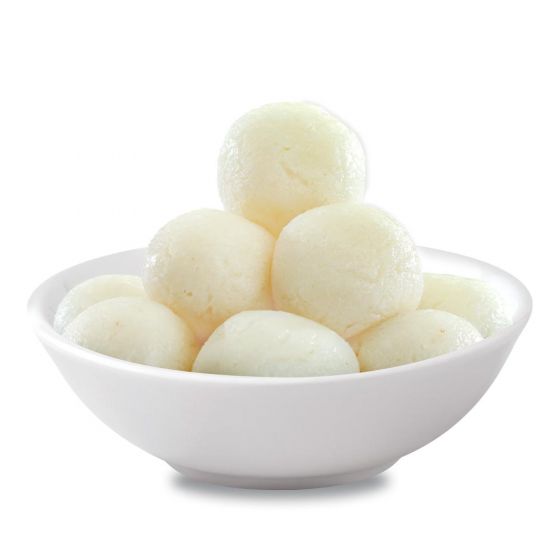
I started my day with hot Lucchi and Aloo Dum (puri and spicy potatoes). The Kathi Rolls on Park Street are legendary — soft paratha rolls stuffed with egg and kebab, bursting with flavor.
For dessert, I couldn’t resist the city’s famous sweets — Rasgulla, Sandesh, and Mishti Doi (sweet curd). I also tried Kosha Mangsho (spicy mutton curry) and Fish Curry with rice, the pride of Bengali cuisine.
Every corner had something delicious — from tea stalls serving Cha in clay cups to sweet shops that felt like heaven.
💫 Local Experiences
📸 [Insert Image:

One of my favorite moments was riding the heritage tram, the oldest operating tram system in Asia. It was like stepping back in time. Later, I spent an evening at Princep Ghat, watching the Ganga Aarti as boats floated by, glowing in the golden light.
I also walked through College Street, the world’s largest second-hand book market. The smell of old books and fresh coffee from the Indian Coffee House was unforgettable. I even chatted with locals about literature, politics, and football — because in Kolkata, everyone has an opinion and a story to tell!
💡 Why It’s Special & Travel Tips
📸

Kolkata is special because it celebrates humanity. It’s a city of contrasts — old and new, chaos and calm, intellect and emotion — all coexisting beautifully. It doesn’t rush; it invites you to slow down, sip tea, and feel.
Travel Tips:
-
Best time to visit: October to February (especially during Durga Puja).
-
Must try local sweets and street food — they define the city’s soul.
-
Take a tram ride or ferry ride for a unique experience.
-
Visit College Street if you love books or culture.
-
Carry cash for small vendors — many places still prefer it.
As I watched the city lights reflecting on the Hooghly River that night, I realized Kolkata doesn’t need to impress you — it embraces you. It’s not just the “City of Joy”; it’s a city that teaches you to find joy in everything
🌃 BLOG 6: My Trip to Mumbai – The City of Dreams & Endless Energy
📍 Location & Overview
📸
As my flight touched down in Mumbai, I looked out of the window to see sparkling city lights that stretched endlessly. Known as the Financial Capital of India, Mumbai lies on the western coast along the Arabian Sea. It’s the land of Bollywood, beaches, and big dreams — where every person comes hoping to make it big.
What struck me first was the rhythm of the city — fast, vibrant, and full of life. From luxury skyscrapers to crowded local trains, from glamorous film studios to humble food stalls — Mumbai embraces everyone with open arms.
🕍 History & Background
📸

Mumbai’s journey began as seven small islands that came under Portuguese and later British rule. The British developed it as a major port city for trade, and it quickly became one of the most important urban centers in India.
In 1661, it was gifted to the British crown as part of Catherine of Braganza’s dowry when she married King Charles II. Over time, Mumbai evolved into a city of opportunities — drawing people from all over India.
Today, it stands as India’s commercial, entertainment, and fashion capital, symbolizing the country’s spirit of resilience and ambition.
🎭 Culture & Traditions
📸
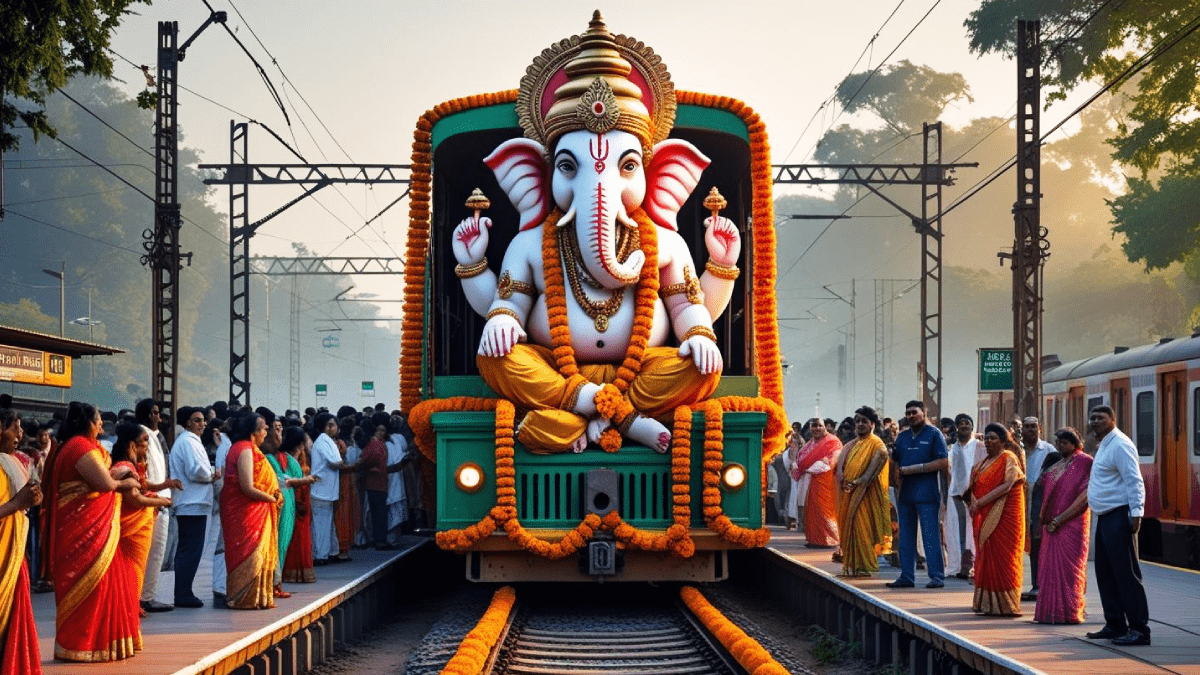
Mumbai’s culture is a colorful blend of many communities — Marathi, Gujarati, North Indian, South Indian, and Parsi — all living together in harmony. The people are warm, street-smart, and full of life.
I was lucky to visit during Ganesh Chaturthi, Mumbai’s grandest festival. The entire city danced to the beat of drums as huge idols of Lord Ganesha were carried through the streets. The energy, devotion, and unity were overwhelming.
From film screenings and art exhibitions to night markets and concerts — the city celebrates creativity in every form. Mumbai truly never sleeps!
🕌 Must-Visit Places
📸

My first stop was the Gateway of India, a magnificent monument overlooking the Arabian Sea. Right opposite stood the Taj Mahal Palace Hotel, one of the most iconic landmarks of the city.
I took a ferry to explore the Elephanta Caves, a UNESCO World Heritage site with ancient rock-cut sculptures of Lord Shiva.
Evenings were best spent walking down Marine Drive, the “Queen’s Necklace,” watching the sunset as the sea breeze kissed my face. Juhu Beach offered a taste of Mumbai’s street snacks — spicy bhel puri and crispy pav bhaji.
I also visited the Siddhivinayak Temple, where people from all walks of life come to seek blessings before starting new ventures.
🍛 Famous Foods
📸
Vada Pav, Pav Bhaji, Bhel Puri, Bombay Sandwich, Cutting Chai] street food is legendary! I couldn’t resist trying the Vada Pav, often called the “Indian Burger.” The spicy potato filling inside a bun, served with chutneys, was addictive.
Mumbai’sAt Chowpatty Beach, I tasted Bhel Puri, Pani Puri, and Pav Bhaji — each bursting with flavor. In the morning, Cutting Chai (half glass of strong tea) kept me energized, while in the evening, I indulged in a Bombay Sandwich layered with chutney and veggies.
If you love experimenting, Mumbai’s food lanes — from Mohammed Ali Road to Carter Road — are a paradise.
💫 Local Experiences
To experience real Mumbai, I hopped onto a local train — the city’s lifeline. Though crowded, it was amazing to see how everyone helped each other. I chatted with office-goers and vendors who travel daily, their energy unmatched.
Next, I explored Bandra, Mumbai’s creative hub. The colorful street art, cozy cafes, and celebrity houses (including Shah Rukh Khan’s Mannat) made it a perfect blend of style and soul.
One unforgettable evening was spent driving over the Bandra-Worli Sea Link, with the lights shimmering over the sea — a symbol of modern Mumbai’s power and beauty.
💡 Why It’s Special & Travel Tips
📸

Mumbai is special because it teaches you to dream — and to keep going no matter what. It’s a city that never gives up, no matter the storms or struggles. Every person here carries a story of ambition and courage.
Travel Tips:
-
Best time to visit: November to February (pleasant weather).
-
Avoid monsoon months (June–September) due to heavy rains.
-
Keep cash handy for street food and autos.
-
Try taking a ferry ride from Gateway of India for a unique view of the coastline.
-
If possible, visit a Bollywood studio tour — it’s an unforgettable experience!
As I sat on the promenade of Marine Drive, watching the waves crash and the city glow behind me, I realized — Mumbai doesn’t just exist, it lives. Every heartbeat of the city says one thing:
“Sapne yahaan sach hote hain — Dreams come true here.”
🌄 BLOG 7: My Journey to Ranchi – The City of Waterfalls & Natural Wonders
📍 Location & Overview
📸
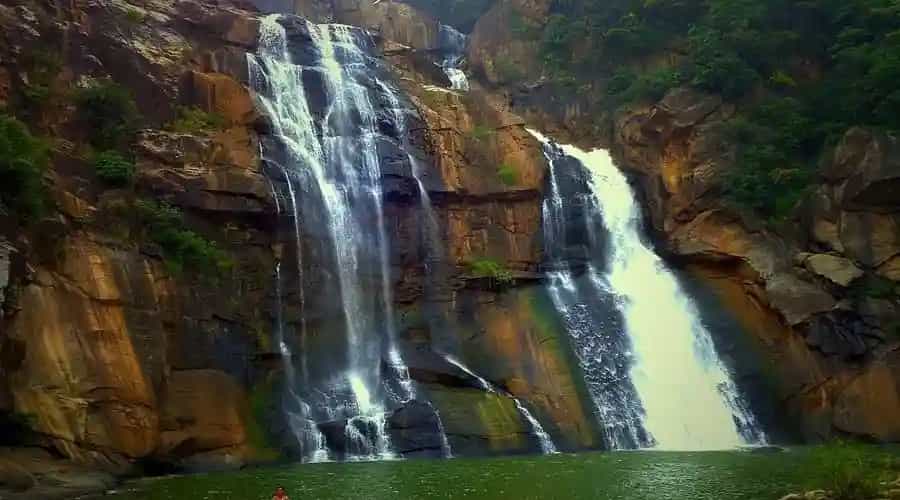
When I reached Ranchi, the capital of Jharkhand, I was greeted by clean air, peaceful surroundings, and the sound of gushing waterfalls. Nestled on the Chotanagpur Plateau, Ranchi is blessed with scenic landscapes, green forests, and cool weather all year round.
Often called the ‘City of Waterfalls’, Ranchi is not just about natural beauty — it’s also home to tribal culture, ancient temples, and a rapidly growing modern face.
🕍 History & Background
📸
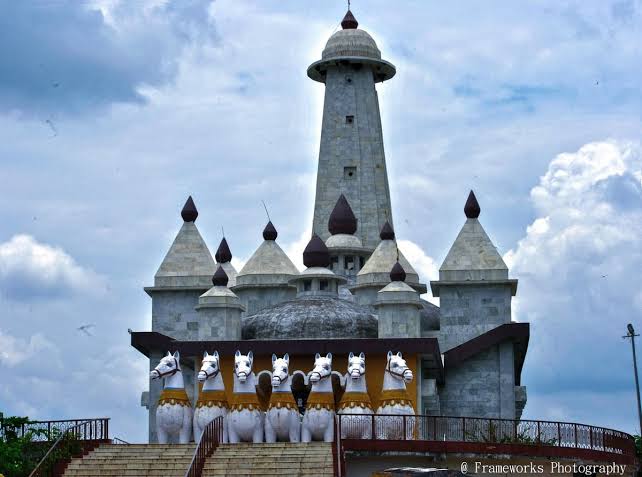
Ranchi has a deep-rooted history. It was once part of the Munda tribal region, where tribal leader Birsa Munda led a historic movement against British rule. His name still echoes with pride here, and the Birsa Munda Museum honors his legacy.
During British rule, Ranchi was chosen as a summer capital because of its pleasant climate. Over the years, it transformed into a major educational and administrative center. Today, it’s one of India’s fastest-growing cities — balancing progress with nature.
🎭 Culture & Traditions
📸
Ranchi’s culture is vibrant and deeply connected to its tribal roots. The main tribes — Munda, Oraon, and Santhal — celebrate colorful festivals like Karma, Sarhul, and Tusu Parab. During these times, you’ll see locals dancing in circles to the beat of Mandar drums, dressed in bright traditional attire.
I was amazed by the warmth of the people — humble, welcoming, and proud of their heritage. The local handicrafts made of bamboo, wood, and metal reflect the artistic spirit of this region.
🕌 Must-Visit Places
📸
I started my journey with Dassam Falls, where crystal-clear water plunges down from about 144 feet, surrounded by lush greenery. The sound of the waterfall was music to my ears!
Next, I visited Hundru Falls, one of the most spectacular waterfalls in India. The misty spray and rainbow hues made it unforgettable.
Tagore Hill offered a calm escape, with a small hut where Rabindranath Tagore once spent time. From the top, I could see the entire city glowing under the setting sun.
The Rock Garden and Kanke Dam were perfect spots for photos and relaxation. Finally, I ended my day at Pahari Mandir, a temple dedicated to Lord Shiva, located on a hilltop with panoramic views of Ranchi.
🍛 Famous Foods
📸
Ranchi’s cuisine is a mix of tribal and Bihari flavors. I couldn’t resist trying Litti Chokha, made of roasted wheat balls stuffed with sattu, served with spicy mashed potatoes and brinjal.
Locals also offered me Dhuska, a deep-fried rice-lentil pancake, and Rugra, a wild mushroom delicacy available only during monsoon. For dessert, Thekua (sweet fried dough) was simple yet delicious.
I also learned about Handia, a traditional rice-based drink popular among tribes — a must-try for those wanting an authentic local experience.
💫 Local Experiences
📸
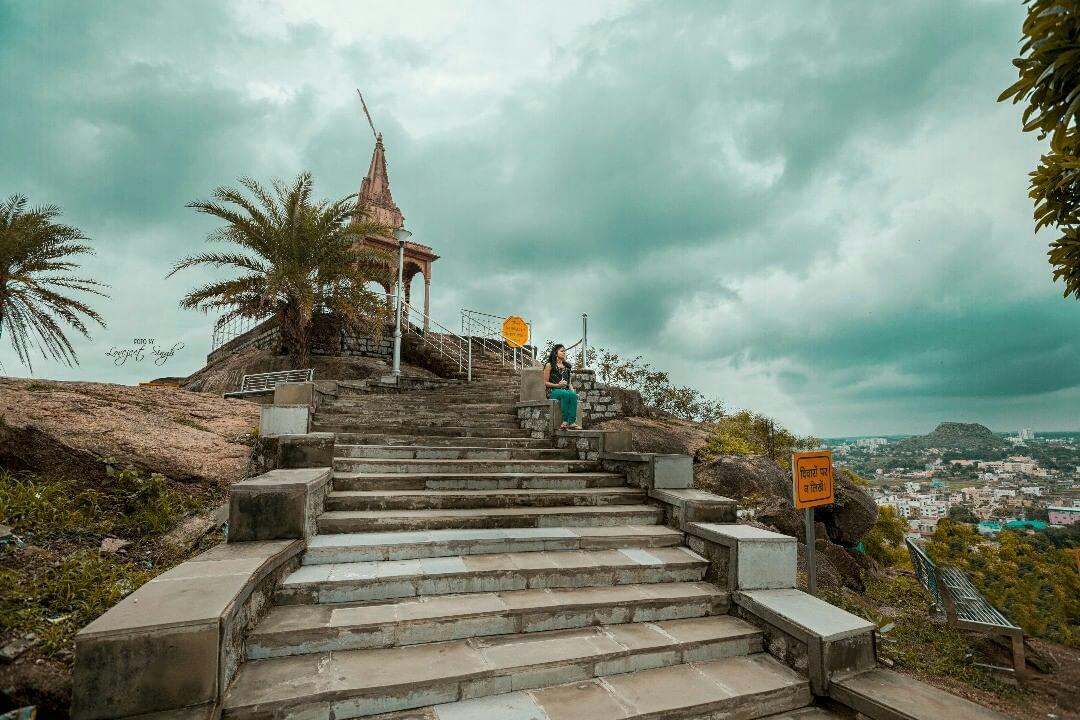
One morning, I visited a tribal village near Ranchi. The simplicity of their lifestyle — mud houses, smiling faces, and songs sung while working in the fields — touched my heart.
I also explored the Ranchi Main Market, where local artisans sold wooden crafts, handwoven shawls, and tribal jewelry. Interacting with them gave me a glimpse of their everyday lives and their pride in their heritage.
Evenings were best spent by Ranchi Lake, watching the reflection of the lights dance on the calm water — pure magic!
💡 Why It’s Special & Travel Tips
📸
Ranchi is special because it connects you with nature and culture at the same time. It’s one of those rare places where waterfalls, forests, and faith coexist in harmony. The peaceful environment makes it a perfect escape from city chaos.
Travel Tips:
-
Best time to visit: October to March (pleasant weather and clear skies).
-
Carry comfortable shoes for trekking around waterfalls.
-
Always keep water and snacks, as some sites are far from the city center.
-
Visit early morning or late afternoon for best views at Tagore Hill and Pahari Mandir.
-
Respect tribal customs and always ask before photographing locals.
As I stood near the roaring Hundru Falls, feeling the cool mist on my face, I realized — Ranchi isn’t just a destination; it’s an experience that refreshes your soul.
🕌 BLOG 8: My Journey to Hyderabad – The City of Pearls & Timeless Royalty
📍 Location & Overview
📸
As I arrived in Hyderabad, the capital of Telangana, I immediately felt the fusion of the old and the new — ancient palaces standing beside glass skyscrapers, bustling bazaars beside tech parks. Known as the City of Pearls, Hyderabad is famous for its royal past, delicious biryani, and warm hospitality.
From the lanes of Charminar to the futuristic Hitech City, every corner of Hyderabad tells a story — of kings, culture, and progress.
🕍 History & Background
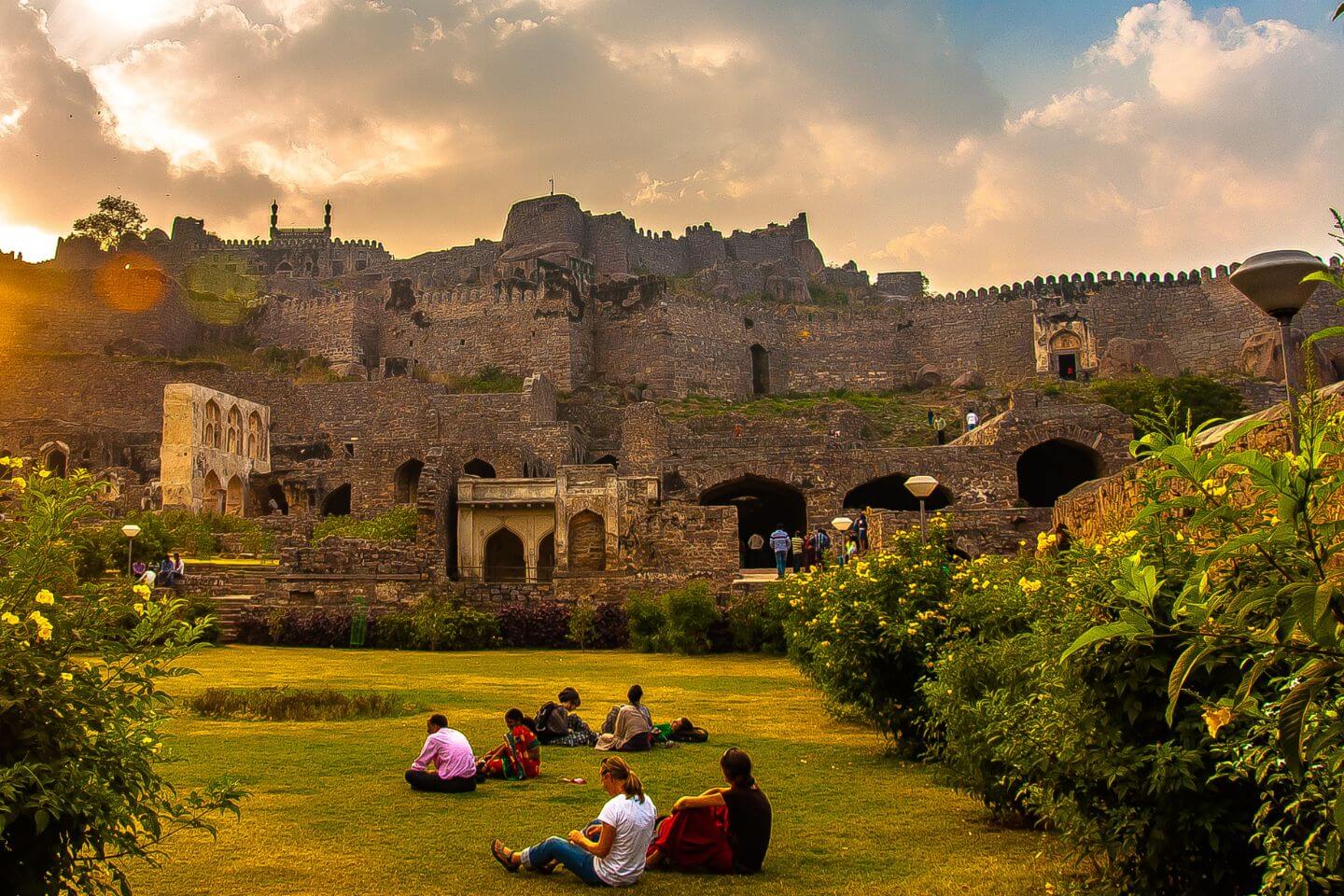
Hyderabad’s glorious history began in 1591, when it was founded by Muhammad Quli Qutb Shah, the ruler of the Qutb Shahi dynasty. Later, it became the seat of the Nizams of Hyderabad, among the richest royal families in the world.
The city flourished under the Nizams — known for their love of pearls, architecture, and art. Even today, their legacy can be seen in every monument, from Chowmahalla Palace to Falaknuma Palace.
After India’s independence, Hyderabad merged into the Indian Union in 1948, and today it stands as one of India’s major IT and cultural hubs.
🎭 Culture & Traditions
📸
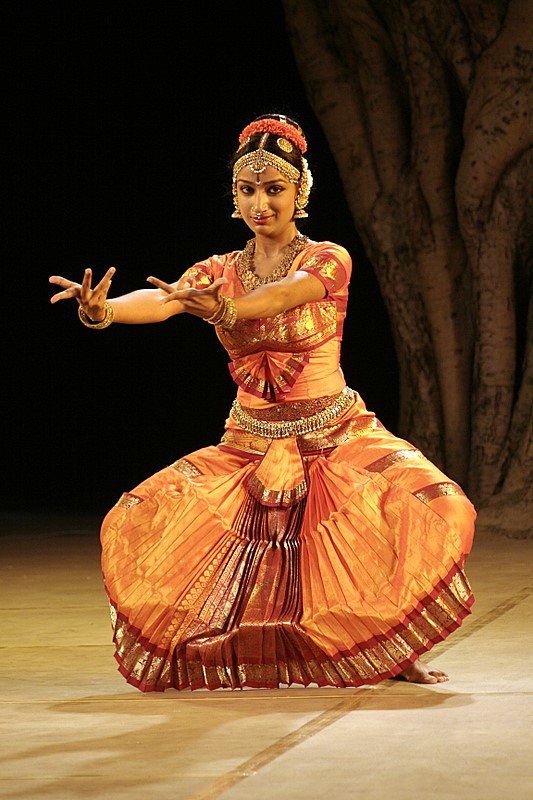
Hyderabad’s culture is a beautiful mix of Deccan, Persian, and Telugu influences. The city is multilingual — with people speaking Urdu, Telugu, and Hindi, often in a charmingly poetic way.
I visited during Ramzan, and the entire Old City came alive at night with lights, food stalls, and prayer sounds echoing from mosques. The locals were kind, proud, and deeply connected to their traditions — from the royal etiquette of greetings (Adaab) to their passion for poetry and storytelling (Mushairas).
Hyderabad is also known for its pearls and bangles — no trip here is complete without visiting Laad Bazaar, where colorful bangles sparkle under lantern light.
🕌 Must-Visit Places
📸
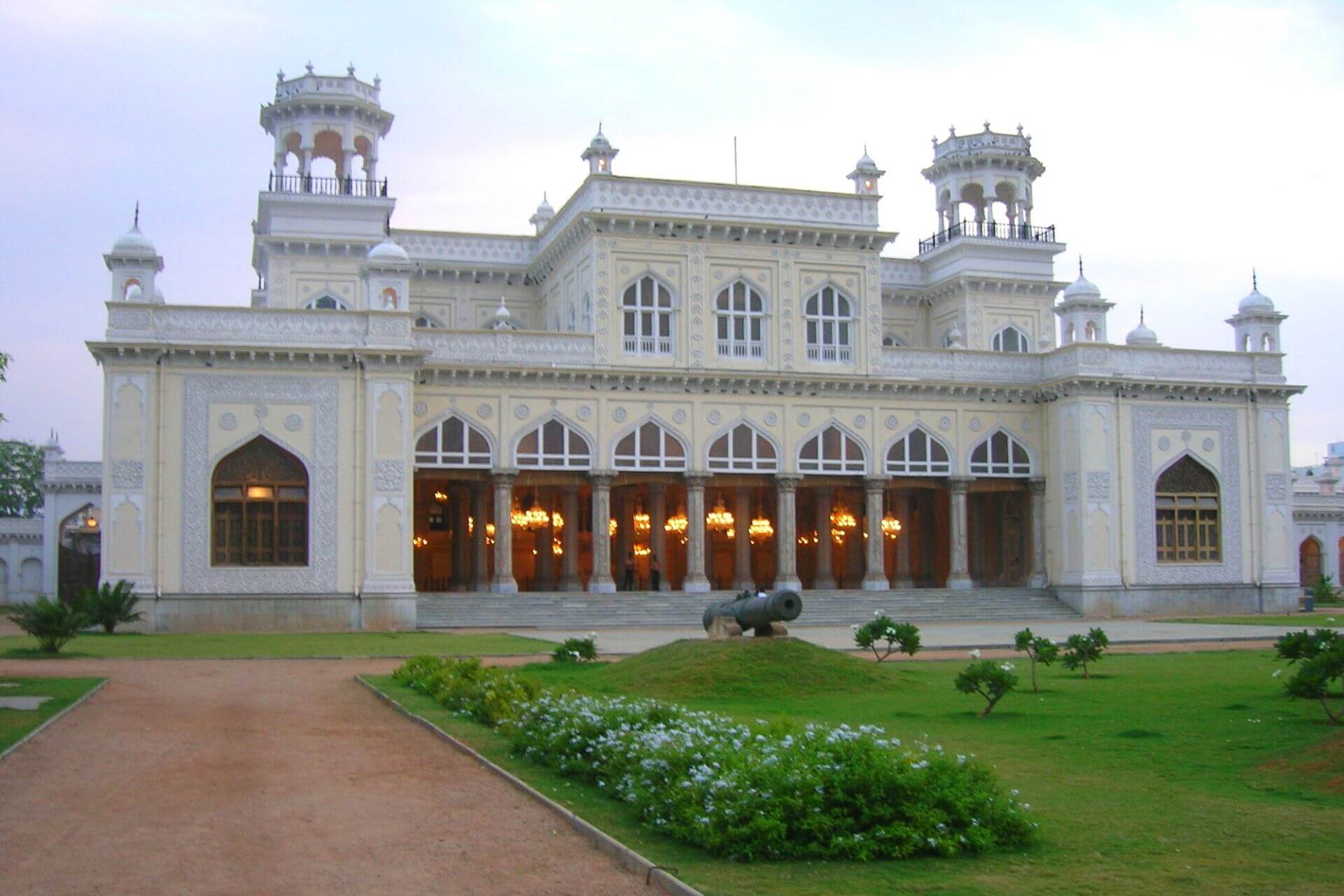
My first stop was the iconic Charminar, the symbol of Hyderabad. Standing tall in the middle of the old city, it’s surrounded by buzzing markets selling perfumes, pearls, and spices.
Next, I explored the majestic Golconda Fort, once home to the Qutb Shahi rulers. The fort’s unique acoustic system and sunset view over the city were breathtaking.
I couldn’t miss Chowmahalla Palace, where the Nizams once held royal gatherings — its grand chandeliers and marble courtyards felt straight out of a fairytale.
At Hussain Sagar Lake, I took a boat ride to see the giant Buddha statue in the middle of the water — peaceful and awe-inspiring.
And for a touch of entertainment, Ramoji Film City — the world’s largest film studio complex — was like walking into a cinematic dream!
🍛 Famous Foods
📸
If there’s one thing Hyderabad is world-famous for, it’s food!
My first meal was the legendary Hyderabadi Biryani — fragrant rice layered with marinated mutton, saffron, and spices. Each bite melted in my mouth.
During Ramzan, I tried Haleem, a rich stew made of wheat, lentils, and meat — slow-cooked to perfection. With it, I enjoyed a cup of Irani Chai at Nimrah Café, right beside Charminar.
For dessert, Double Ka Meetha (bread pudding) and Qubani Ka Meetha (apricot sweet) were pure indulgence. I finally understood why Hyderabadis take food so seriously — it’s an emotion here!
💫 Local Experiences
📸
My favorite memory from Hyderabad was walking through Laad Bazaar at night. The colorful bangles, aromatic kebabs, and sounds of bargaining created an atmosphere full of life. I bought a pearl bracelet and some traditional attar (perfume) as souvenirs.
Later, I met some locals at a tea stall who told me stories of the Nizams’ hidden treasures and film shoots around the city.
I also explored Hitech City, the modern face of Hyderabad, full of skyscrapers, malls, and global companies — a true reflection of India’s progress.
Everywhere I went, people welcomed me with warmth and pride in their city.
💡 Why It’s Special & Travel Tips
📸
Hyderabad is special because it’s a city where royalty meets reality. You can sip Irani chai in a 100-year-old café and then drive into one of India’s most advanced tech parks — that’s the magic of Hyderabad.
Travel Tips:
-
Best time to visit: October to February (pleasant weather).
-
Visit Charminar early morning to avoid crowds.
-
Try authentic biryani at Paradise or Bawarchi restaurants.
-
Carry cash for small vendors in Old City.
-
Don’t miss the evening light and sound show at Golconda Fort.
As I watched the city lights reflecting on Hussain Sagar Lake that night, I realized Hyderabad isn’t just about history — it’s about harmony. A city where every corner whispers tales of the past while dreaming of the future.
🌺 BLOG 9: My Journey to Tamil Nadu – The Land of Temples and Traditions
📍 Location & Overview
📸
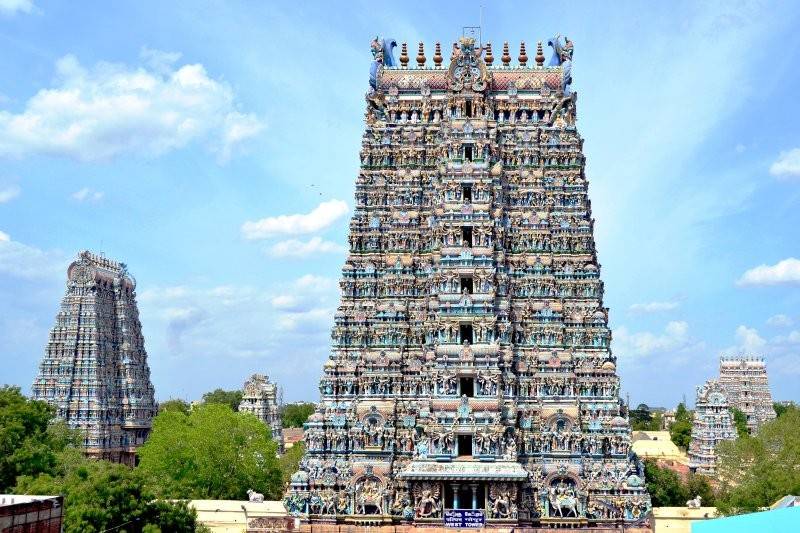
As I stepped into Tamil Nadu, located in the southernmost part of India, I was greeted by the rhythmic sound of temple bells, the fragrance of jasmine flowers, and the warmth of traditional hospitality.
Tamil Nadu is famous for its ancient temples, classical dance (Bharatanatyam), Carnatic music, silk sarees, and flavorful cuisine. Every city here feels like a story — from the architectural wonders of Madurai and Thanjavur to the serene beaches of Chennai and Kanyakumari.
🕍 History & Background
📸
Tamil Nadu’s history is as old as civilization itself. It was once ruled by mighty dynasties — the Cholas, Pandyas, and Pallavas — who built some of the most magnificent temples and sculptures in the world.
These rulers promoted art, architecture, and literature, making Tamil one of the oldest living languages in the world.
The Chola temples of Thanjavur, Shore Temple of Mahabalipuram, and Meenakshi Amman Temple in Madurai are living examples of their grandeur and devotion.
Even today, Tamil Nadu remains deeply rooted in its culture, where every festival, song, and tradition reflects centuries of history.
🎭 Culture & Traditions
📸
Tamil Nadu’s culture is a celebration of art, devotion, and discipline.
People here still follow age-old customs — like starting the day with Kolam (rice flour designs) at the doorstep, offering flowers and prayers at temples, and wearing traditional attire.
The Pongal festival, celebrated in January, marks the harvest season and is one of the grandest festivals of Tamil Nadu. I was lucky to witness it — people decorating their homes, cooking Pongal in clay pots, and offering it to the Sun God.
The sight of women performing Bharatanatyam with perfect grace and men playing Nadaswaram (a traditional wind instrument) truly shows how Tamil Nadu preserves its culture with pride.
🛕 Must-Visit Places
📸
-
Madurai – Home to the majestic Meenakshi Amman Temple, this city is a blend of spirituality and history. The temple’s colorful towers and carvings left me speechless.
-
Thanjavur – Known for the Brihadeeswarar Temple, a UNESCO World Heritage site built by Raja Raja Chola. It’s an architectural marvel that symbolizes Tamil pride.
-
Chennai – The capital city, famous for Marina Beach, Kapaleeshwarar Temple, and Fort St. George. I enjoyed sipping filter coffee at a roadside stall while watching the waves crash on the shore.
-
Ooty & Kodaikanal – The “Queen of Hill Stations,” Ooty’s tea gardens and cool weather were refreshing after the temple tours. The toy train ride through the Nilgiri Hills was unforgettable.
-
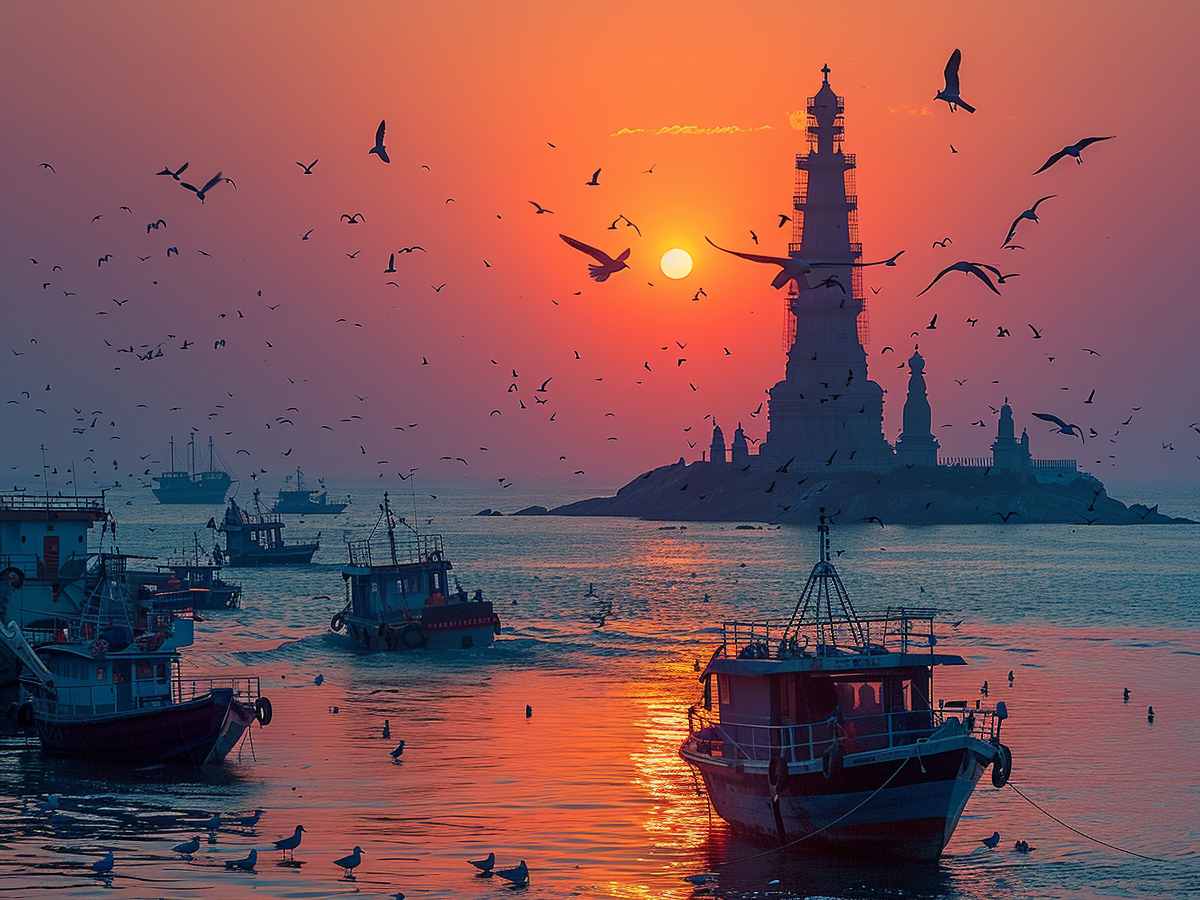
Kanyakumari – The southernmost tip of India, where the Arabian Sea, Bay of Bengal, and Indian Ocean meet. Watching the sunrise and sunset here was one of the most peaceful experiences of my life.
🍛 Famous Foods
📸
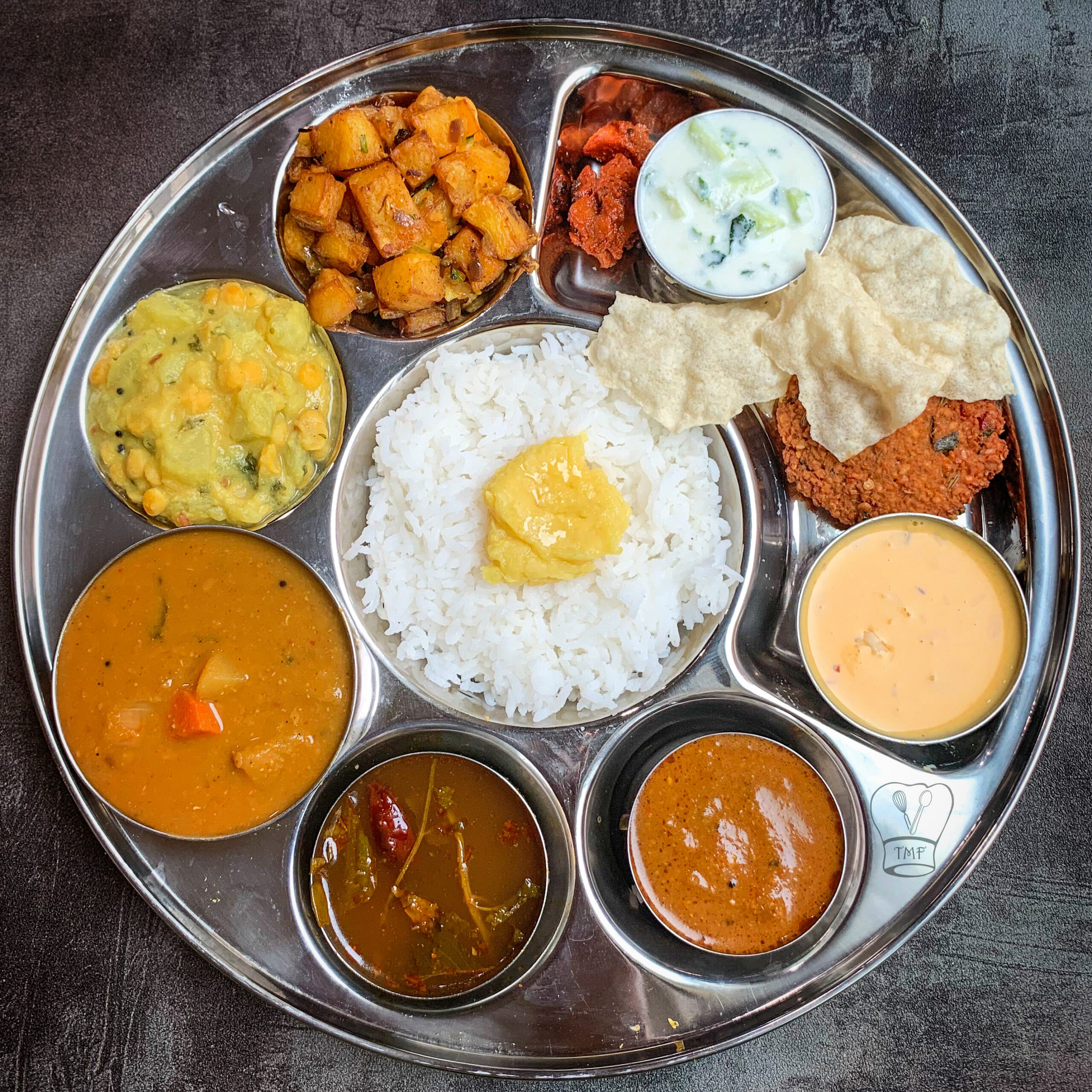
Tamil Nadu’s cuisine is a feast for the senses. Every meal is served with love, usually on a banana leaf.
I started my mornings with crispy dosas, soft idlis, and spicy sambar, paired with authentic filter coffee that had a rich aroma.
During Pongal, I tried the sweet Sakkarai Pongal — a delicious mix of rice, jaggery, and ghee.
For lunch, the traditional South Indian Thali offered everything — rice, rasam, poriyal (vegetable stir-fry), and curd.
In Chennai, I also enjoyed Chettinad Chicken Curry, famous for its fiery spices and unique flavors.
🌅 Local Experiences
📸
My favorite moments in Tamil Nadu were the small ones — watching artisans carve idols from stone in Mahabalipuram, buying silk sarees from Kanchipuram, and joining locals in evening temple prayers.
I also visited Ooty’s tea estates, where I learned how tea leaves are plucked and processed. The aroma of fresh tea surrounded me as I sipped a hot cup overlooking the misty hills.
At night, I attended a Bharatanatyam performance in Chennai — every step and expression told a divine story. It felt like watching culture come alive.
💫 Why It’s Special & Travel Tips
📸

Tamil Nadu is special because it’s a land where devotion meets discipline and heritage meets harmony. Every temple, street, and song carries a message from the past that still feels alive today.
Travel Tips:
-
Best time to visit: November to February (pleasant weather).
-
Dress modestly when visiting temples.
-
Don’t miss local festivals like Pongal, Navaratri, and Chithirai Thiruvizha.
-
Carry water and light clothing for temple tours.
-
Try traveling by train to enjoy scenic views of the countryside.
As my journey ended, I realized that Tamil Nadu isn’t just a state — it’s a feeling. A feeling of peace, devotion, and timeless grace that stays with you forever.
🌾 BLOG 10: My Journey to Punjab – The Land of Courage, Culture, and Celebration
📍 Location & Overview
📸
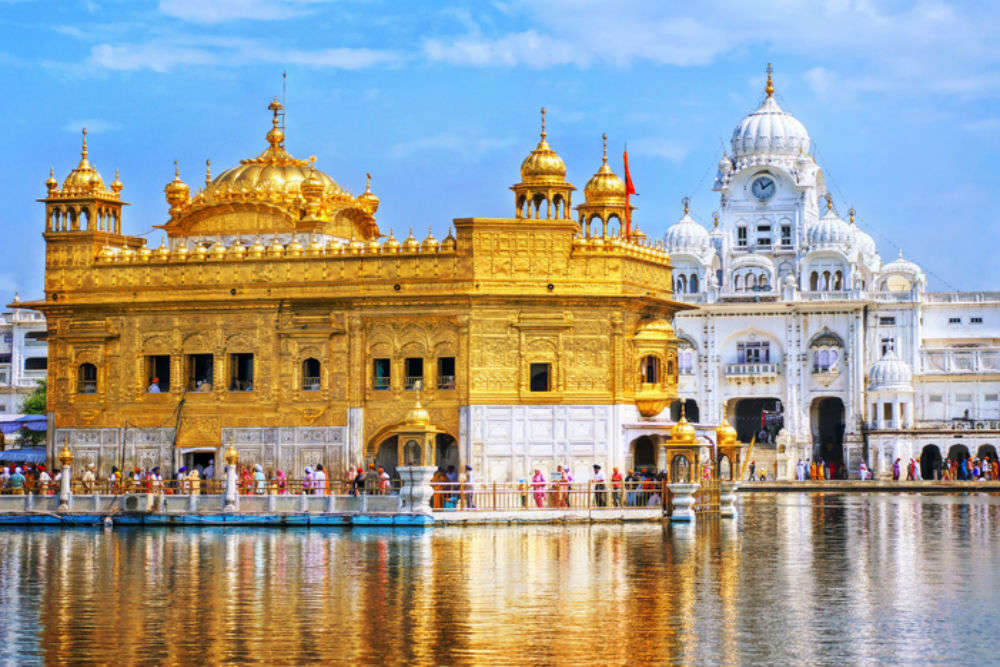
The moment I entered Punjab, the land of five rivers, I was surrounded by golden mustard fields, soulful music, and the aroma of ghee and spices. Located in North India, Punjab borders Pakistan and is known for its rich history, brave people, and vibrant festivals.
Everywhere I went, there was warmth — in people’s hearts, in their food, and in their traditions. Punjab truly lives up to its spirit — “Pind di Mitti da Rang Sohna” — the soil of Punjab is as beautiful as its people.
🕍 History & Background
📸

Punjab’s history is both glorious and emotional. It was once part of the great Indus Valley Civilization, and later, the heart of Sikhism — founded by Guru Nanak Dev Ji.
It has seen invasions, bravery, and sacrifice — from the Mughal era to India’s freedom struggle.
The Golden Temple (Harmandir Sahib) in Amritsar stands as a symbol of peace and equality. Nearby, Jallianwala Bagh reminds every visitor of the sacrifices made for India’s independence.
Post-partition, Punjab became a symbol of resilience, rebuilding itself through hard work, agriculture, and spirit. It’s rightly called the breadbasket of India.
🎭 Culture & Traditions
📸
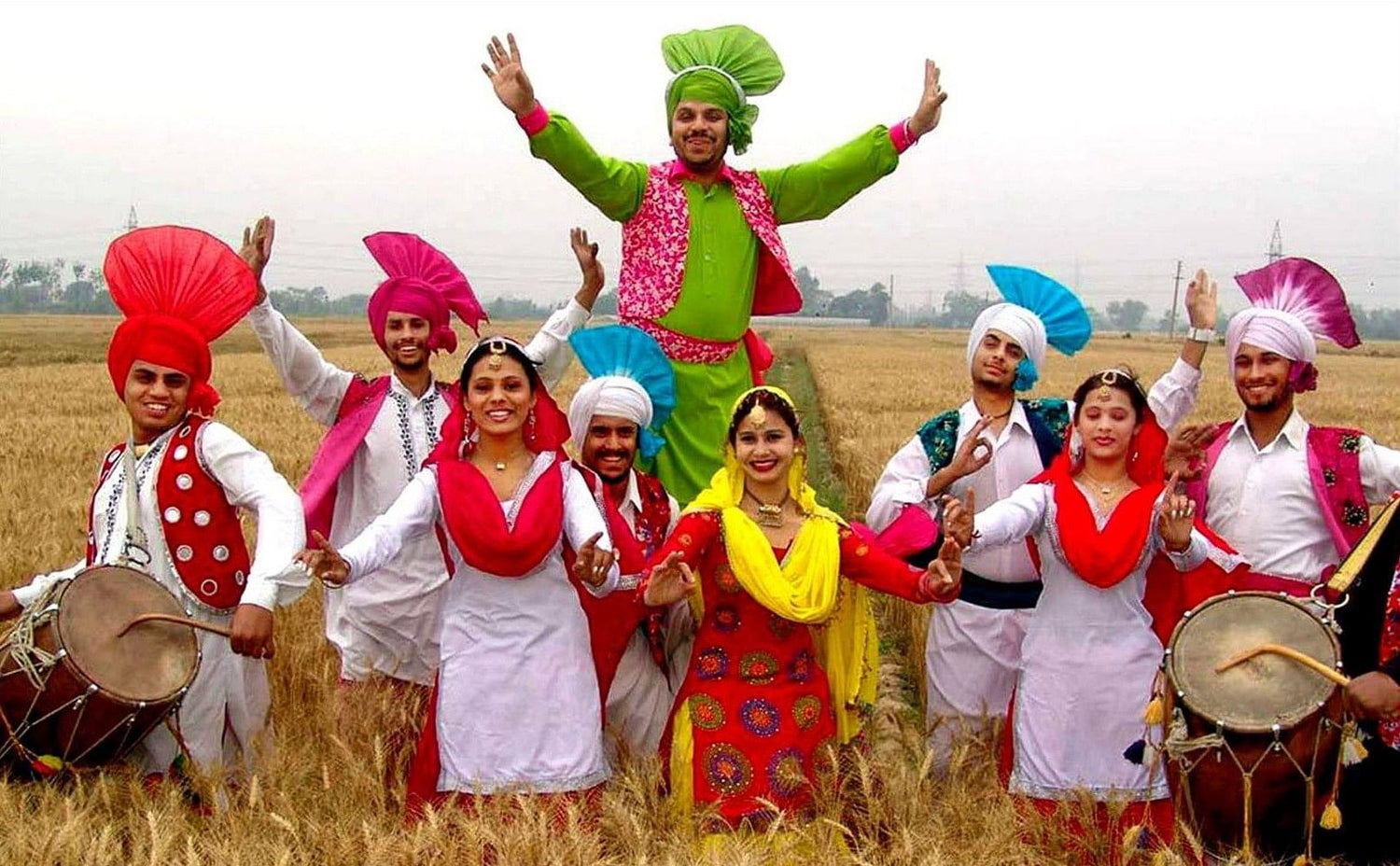
Punjab’s culture is a festival in itself — loud, colorful, and full of energy!
I arrived during Lohri, the harvest festival, and the bonfires, dancing, and dhol beats made the night unforgettable.
Every Punjabi knows how to celebrate life — through Bhangra, Giddha, and their infectious laughter.
People greet you with “Sat Sri Akal!”, offer you food before you even ask, and treat strangers like family.
From the bright Phulkari embroidery to the powerful sound of Dhol, Punjab’s traditions reflect love, courage, and community.
🕌 Must-Visit Places
📸
-
Amritsar – My journey started here, where I visited the Golden Temple early in the morning. The golden dome reflected in the holy pond — it felt divine. Don’t miss the Langar (community meal); it’s one of the most peaceful and humbling experiences.
-
Wagah Border – Watching the evening flag ceremony here filled me with patriotism. The energy of the crowd, shouting “Vande Mataram!” and “Bharat Mata Ki Jai!”, was electric.
-
Jallianwala Bagh – A place that moved me deeply. The bullet marks on the walls tell stories of sacrifice and struggle for freedom.
-
Anandpur Sahib – Known as the “City of Bliss,” it’s one of the holiest places in Sikhism and the birthplace of the Khalsa Panth.
-
Patiala – A royal city famous for its forts, palaces, and traditional Patiala Peg (a large serving of whisky!).
🍛 Famous Foods
📸
Food in Punjab isn’t just eaten — it’s experienced. Every meal feels like a festival!
At a dhaba near Amritsar, I tasted Sarson da Saag with Makki di Roti, topped with a chunk of homemade butter — heaven on a plate!
The Amritsari Kulcha, crispy and stuffed with potatoes and spices, made me crave more.
No meal is complete without a tall glass of sweet Lassi (curd drink), served in a steel tumbler almost bigger than my face!
Non-vegetarian food lovers must try Butter Chicken, Tandoori Chicken, and Fish Amritsari — smoky, spicy, and simply irresistible.
💫 Local Experiences
📸

One of the best parts of my Punjab trip was visiting a village near Ludhiana.
I rode on a tractor through the mustard fields, helped a farmer milk a buffalo, and shared tea with the family in their courtyard.
In the evening, villagers gathered with dhols, and we danced the night away under the stars. The rhythm of Bhangra echoed across the fields, and for that moment, I felt like one of them.
I also visited local markets in Amritsar to buy Phulkari dupattas and Punjabi juttis — colorful, hand-embroidered, and full of charm.
💡 Why It’s Special & Travel Tips
📸

Punjab is special because it teaches you to live with joy and pride — no matter what life brings.
It’s a land of faith, food, and festivals, where every heartbeat moves to the sound of a dhol.
Travel Tips:
-
Best time to visit: October to March (pleasant weather).
-
Always cover your head while visiting the Golden Temple.
-
Don’t miss attending a Langar — it’s open to everyone.
-
Try local dhabas for authentic Punjabi food.
-
Visit during Baisakhi or Lohri for the most vibrant experience.
As I left Punjab, the sound of dhol still played in my mind. It reminded me that Punjab isn’t just a place — it’s an emotion, one that beats with love, energy, and pride.
THE END

